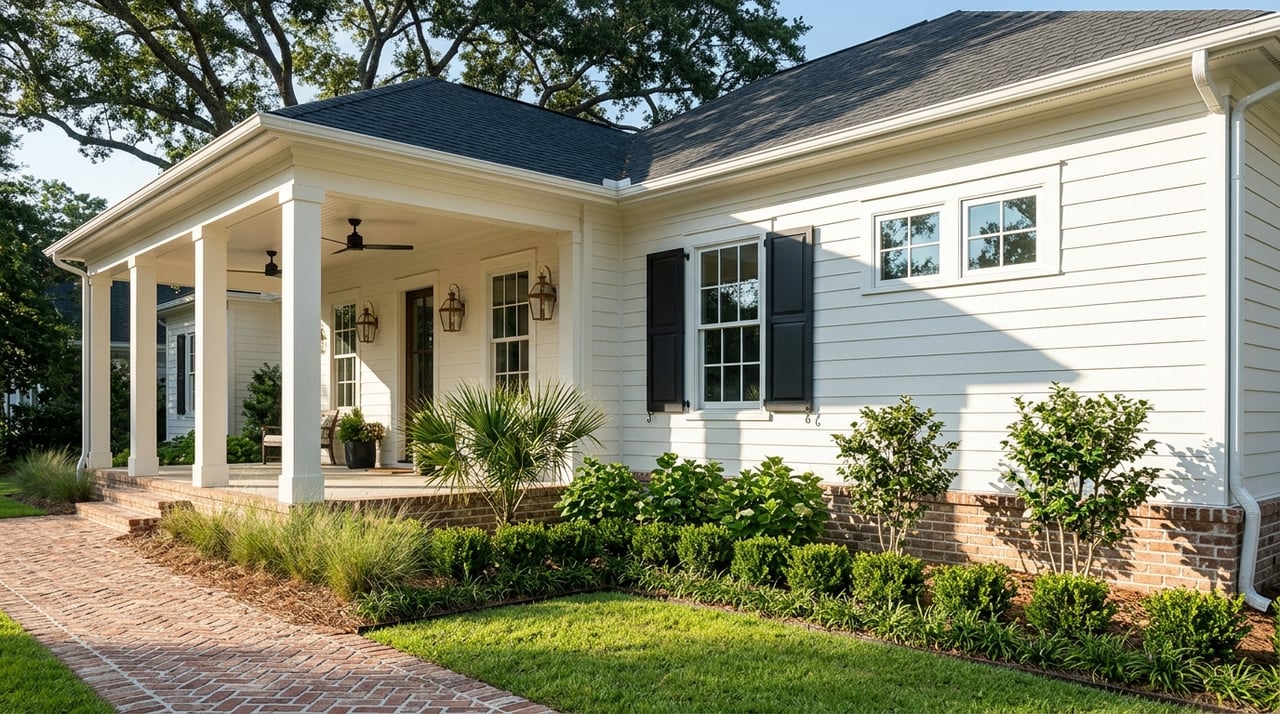
Wondering why one Wilmington-area home gets strong interest at a certain price while another sits, even when they seem similar on paper? If you are preparing to sell, this is where local pricing nuance matters most. The Wilmington market is no longer a place where broad assumptions or old bidding-war habits do the work for you, and understanding the difference between in-town, suburban, and coastal pricing can help you make a smarter move. Let’s dive in.
Wilmington Pricing Starts Local
The Wilmington-area market is moving toward balance, which makes pricing discipline more important than ever. In May 2026, the Wilmington metro area had 4,604 active listings, 1,216 closed sales, a median sales price of $420,000, an average cumulative 75 days on market, and 3.79 months of inventory.
For you as a seller, that means the market is giving buyers more room to compare options. A strong asking price should come from current local comparables, not from headlines or pricing expectations left over from a hotter market.
In-Town Wilmington Is a Micro-Market
If your home is in Wilmington proper, pricing should not start with one citywide number and stop there. The city’s median sale price was $478,714 in May 2026, with a median 57 days on market, but that broad figure can hide major differences from one pocket of town to another.
That is especially clear in areas like ZIP code 28403, where the median sale price was $459,863, median days on market was 49, and the sale-to-list ratio was 97.5%. Recent sales in that ZIP ranged from a $195,000 condo to a $3.3375 million waterfront property, which shows how wide the value spread can be even within one in-town area.
Why Broad Averages Can Mislead
In-town Wilmington includes very different property types, lot positions, and lifestyle features. A condo, a cottage, a renovated home near established corridors, and a waterfront property may all sit within the same larger market label, but buyers will not value them the same way.
That is why pricing should focus on your true comp set. Recent sold homes with a similar property type, similar setting, and similar condition will usually tell a more reliable story than citywide averages.
What Buyers Compare In-Town
When buyers look at in-town Wilmington homes, they often compare more than square footage and bedroom count. They also notice:
- Block-by-block location
- Property type
- Lot position
- Waterfront or water-adjacent setting
- Parking setup
- HOA restrictions, if any
- Overall condition and updates
If your home has features that place it in a narrower niche, your asking price should reflect that niche rather than the broader city median.
Suburban Pricing Often Looks More Value-Driven
If your home is in Leland or a nearby suburban area, buyers may approach value a little differently. Leland’s median sale price was $394,763, with an 88-day median time on market and a 98.3% sale-to-list ratio.
Compared with some in-town and coastal areas, that pattern suggests a market where buyers may be especially attentive to condition, price point, and overall monthly cost. Redfin also reports that the average Leland home sells about 1% below list and goes pending in roughly 83 days.
What Matters in Leland and Similar Areas
Leland is described by the town as primarily suburban and located five minutes west of downtown Wilmington, with parks, trails, and golf course settings. For pricing, that means buyers may weigh convenience and neighborhood amenities alongside the home itself.
In these areas, homes that feel move-in ready often have an advantage over listings that need work. If your home needs repairs or cosmetic updates, buyers may factor those costs into their offers more directly than you expect.
Carrying Costs Can Shape Buyer Decisions
Taxes are also part of the pricing picture. Leland’s FY 2026-2027 municipal tax rate is 25 cents per $100, and Brunswick County’s FY 2026-2027 county rate is 34.20 cents.
That does not mean tax rates decide value on their own. It does mean buyers often think in terms of total monthly cost, not just purchase price, so your asking price has to make sense within that full affordability picture.
Coastal Pricing Is More Lifestyle-Specific
Beach-area pricing tends to be even more sensitive to exact location and use. Buyers in Wrightsville Beach and Carolina Beach are often paying for a mix of home features and lifestyle access, which can make two homes with similar square footage land in very different value ranges.
Wrightsville Beach had a median sale price of $1,673,998, 119 median days on market, and a 95.7% sale-to-list ratio. Carolina Beach had a median sale price of $684,590, 78 median days on market, and a 97.3% sale-to-list ratio.
Why One Coastal Block Can Price Differently
In coastal markets, the exact block matters. Buyers may place real value on walkability to the shoreline, water views, parking, water access, and how easily the property supports the way they want to use it.
Wrightsville Beach has 44 public beach access locations, and its official materials emphasize watersports and Intracoastal Waterway access. Carolina Beach highlights features such as the Boardwalk District, beach access, Freeman Park 4x4 access, and Carolina Beach State Park’s marina and paddle sports rentals.
Those local amenities help explain why pricing cannot rely on a townwide average alone. In both beach towns, recent sales ranged widely, from smaller units to much higher-priced properties, depending on location, condition, and access.
Coastal Buyers Study Utility, Not Just Style
A beautifully presented beach home still has to make practical sense to buyers. In these markets, buyers often compare:
- Beach access proximity
- View corridor
- Water access
- Parking availability
- Lot position
- HOA rules or restrictions
- Condition and update level
- Likely insurance and carrying costs
That is why coastal pricing can be especially tricky. A home may look competitive against a broader average but miss the mark if it does not align with how buyers evaluate that specific pocket.
Condition Matters Across Every Price Band
One of the clearest signals in the current data is that many local submarkets are not routinely selling at or above list price. Wilmington citywide is averaging about 2% below list, 28403 around 3% below list, Leland around 1% below list, Carolina Beach around 2% below list, and Wrightsville Beach around 3% below list.
For sellers, that reinforces a simple point: condition and presentation matter. Turn-key homes can support stronger pricing than homes that need repairs, cosmetic work, or buyer concessions.
Price for the Home You Have
It is easy to price your home based on the best sale nearby. The better approach is to price based on how your home compares in condition, updates, and buyer appeal.
If your kitchen, baths, flooring, roof, or exterior presentation trail the strongest recent sales, your pricing should account for that. If your home is unusually well-prepared and aligns closely with recent top performers, that can support a more confident list price.
Flood Risk and Insurance Affect Coastal Value
For many Wilmington-area buyers, especially near the coast or water, flood risk is part of the pricing conversation. New Hanover County notes that more than 20% of flood claims come from properties outside the high-risk flood zone, and standard homeowners or renters insurance typically does not cover flood damage.
That matters because buyers often look beyond the mortgage payment when deciding what a home is worth to them. If flood insurance may be required or carrying costs appear high, some buyers may narrow their price range or compare your home more carefully against other options.
Monthly Cost Influences the Buyer Pool
Local tax rates also vary enough to affect how buyers think. New Hanover County’s current rate is 30.6 cents per $100, Carolina Beach is 14.17 cents, and Wrightsville Beach is 5.31 cents.
These numbers do not replace comparable sales, but they do shape affordability. When you combine taxes, insurance, HOA costs, and maintenance expectations, the asking price needs to feel justified in the context of ownership costs.
A Smarter Way to Set the Asking Price
The safest pricing process in the Wilmington area is usually the simplest one. Start with recent sold homes in the same micro-area, then adjust for the factors buyers actually use to compare one home to another.
That usually includes:
- Property type
- Location within the submarket
- Condition and updates
- View or water orientation
- Beach or water access
- Parking
- HOA restrictions
- Taxes, insurance, and other carrying costs
This approach helps you avoid two common mistakes. The first is overpricing based on a broad median that does not match your home. The second is underpricing a distinctive property that deserves a more refined comparison set.
Why Local Guidance Makes a Difference
Wilmington, Leland, Wrightsville Beach, and Carolina Beach may sit within the same regional conversation, but they do not behave like one pricing market. Each area has its own buyer expectations, timing patterns, and value drivers.
That is why experienced local guidance matters. When your pricing strategy reflects micro-market data, condition, and the lifestyle factors buyers actually care about, you give your home a better chance to attract the right attention without chasing the market later.
If you are thinking about selling and want a pricing strategy built around your specific home and location, Neil Leonard can help you evaluate the right comparables, position your property clearly, and move forward with confidence.
FAQs
How should you price an in-town Wilmington home?
- Use recent sold homes from the same micro-area and compare property type, condition, lot position, parking, and any water-related features instead of relying only on the citywide median.
What affects home pricing in Leland and nearby suburbs?
- Buyers often focus on value, condition, convenience, amenities, and overall monthly ownership costs, which can make suburban pricing especially sensitive to updates and list-price discipline.
What matters most when pricing a Wrightsville Beach or Carolina Beach home?
- Coastal pricing often depends on beach access, water views, parking, flood and insurance considerations, HOA restrictions, condition, and the exact block or setting of the property.
Do flood risk and insurance costs affect Wilmington-area home value?
- Yes. Buyers may factor flood zone status, possible flood insurance needs, and recurring carrying costs into what they are willing to pay, especially in coastal and water-adjacent areas.
Is the Wilmington market still a strong seller’s market?
- The latest local data suggest a market moving toward balance, which means sellers should lean on current comps and careful pricing rather than older expectations from a faster market.