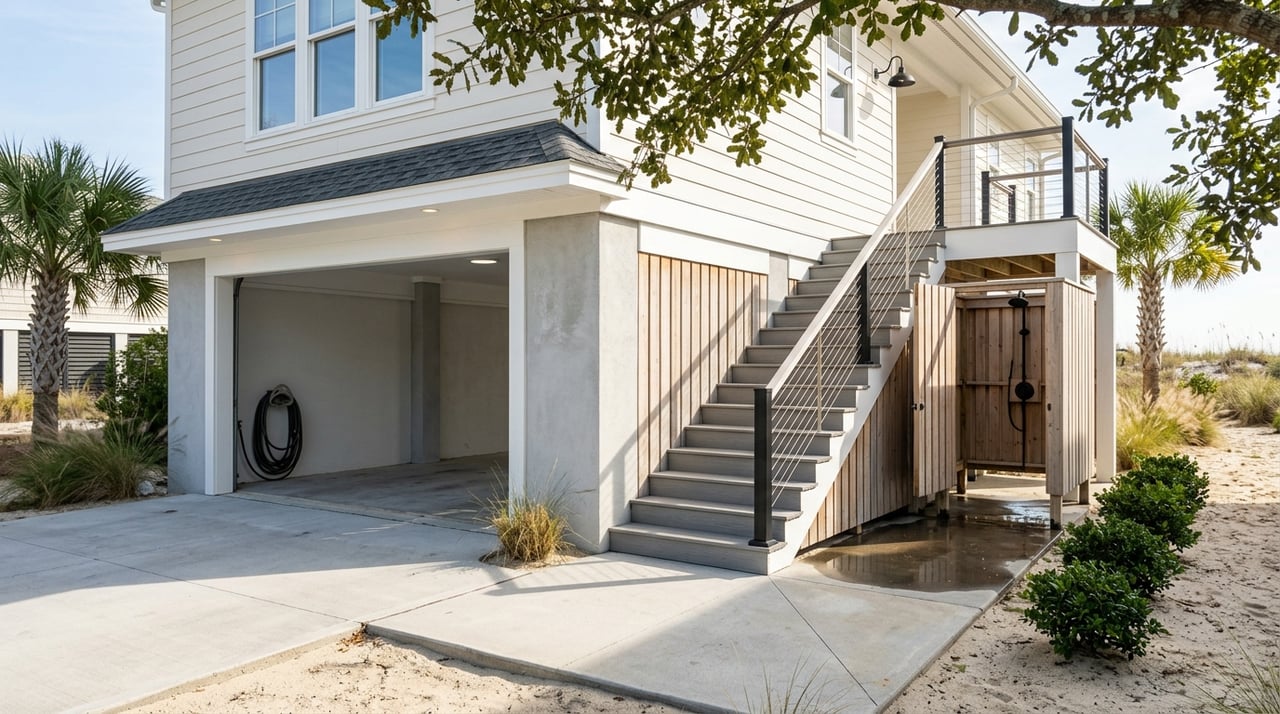
If you are dreaming about a Surf City beach home that you can enjoy now and also rent when you are away, you are not alone. That goal makes a lot of sense in a coastal market where lifestyle, seasonality, and property rules all shape how ownership really works. The good news is that with the right planning, you can buy with both personal use and rental potential in mind without losing sight of what matters most to you. Let’s dive in.
Why Surf City Appeals to Dual-Use Buyers
Surf City offers something many coastal buyers want: a beach-town setting where your home can support both your personal lifestyle and guest use. As part of Topsail Barrier Island, the town combines shoreline access with a clear operating environment shaped by seasonal visitors, beach regulations, and storm planning.
The town also maintains 36 public beach accesses and runs a visitor parking system from spring through fall. That matters because it gives you a practical clue about when guest activity is typically strongest and when access, convenience, and location can have the biggest day-to-day impact.
Surf City is also actively tied to long-term shoreline protection through its beach nourishment and dune project. For you as a buyer, that adds an important layer of context. A beach home here is not just about views and proximity to the water. It is also about understanding resilience, maintenance, and long-range ownership costs.
Start With Your Ownership Goals
Before you focus on bedrooms, views, or finishes, it helps to get clear on how you want the home to function. Some buyers want a second home they use often and rent only occasionally. Others want a property that still feels personal but needs to work harder as a seasonal rental.
That distinction affects almost every decision you make. A home set up for frequent owner use may prioritize storage, privacy, and convenient parking. A home aimed more toward guest stays may need a simpler layout, durable finishes, and clear systems for turnovers and house rules.
The best purchase is usually the one that fits your real habits, not just your ideal plan. Being honest about how often you will visit, how much guest activity you want, and how involved you want to be as an owner can help narrow the field quickly.
Understand Surf City Property Types
Surf City includes a range of zoning districts that can support different residential property types. Depending on the parcel, buyers may encounter single-family homes, duplexes, townhouse-style homes, cluster or multi-family properties, and some manufactured-home or mixed-use options.
That does not mean every property type is available everywhere. The town’s zoning structure includes low-density single-family districts like RA, R-15, and SF, along with medium-density districts such as R-10 and R-5 that can allow detached homes, twins, and duplexes. Other residential categories may include manufactured homes, tiny-home communities, or RV-related uses in certain settings.
For a buyer, the key takeaway is simple: do not assume the same rules apply from one address to the next. In Surf City, location is not just about beach access or views. It also affects what the property can legally be used for and what future changes may require.
Verify Short-Term Rental Eligibility First
If rental potential is part of your plan, zoning should be one of your first checkpoints. Surf City’s zoning ordinance lists short-term rentals as a permitted use in the residential use table, and the town has also publicly noticed proposed text amendments involving additional districts.
That is helpful, but it is not a shortcut. You still need to verify the zoning for the exact parcel you are considering rather than relying on general assumptions about the neighborhood or the island as a whole.
Surf City and Pender County both define a short-term rental as lodging provided to the same person for less than 90 days. If that use matters to your purchase decision, confirming the current zoning status at the address level is one of the smartest early steps you can take.
Factor in Taxes and Rental Operations
Owning a Surf City home with rental use means thinking like both a homeowner and an operator. Inside Surf City town limits, the occupancy tax totals 6%, made up of 3% for the Town and 3% for Pender County.
The town states that taxable gross receipts include common charges such as cleaning fees, linen fees, pet fees, reservation fees, and credit-card fees. Pender County states that the tax is due monthly by the 15th of the following month, with quarterly remittance available when the quarterly amount is $25 or less.
Those details matter because they affect how you estimate income and plan for administration. A beach home can absolutely support rental goals, but the numbers need to reflect the real local rules, not just headline nightly rates.
Plan Around Surf City Seasonality
In a beach market, timing matters. Surf City requires paid visitor parking in town lots from March 1 through October 31, and season passes are also honored during that same period.
While that is not a formal occupancy measure, it does support a reasonable view that the busiest guest months tend to fall in spring, summer, and early fall. If you are underwriting a purchase, those months may carry more of the demand, but they also bring more traffic, more wear on the property, and more need for active planning.
You also have to layer in weather exposure. Atlantic hurricane season runs from June 1 through November 30, which overlaps with some of the strongest visitor demand. In Surf City, the ownership story is not just about peak use. It is also about how you prepare for coastal conditions while the property is in active use.
Think Beyond the House Itself
A successful dual-use beach home is not only about square footage or style. In Surf City, the guest experience is also shaped by beach access, parking, and town rules.
The town’s resident parking program issues two complimentary passes per residence, with a maximum of four. Island property owners with a residential structure can also receive re-entry passes for emergency evacuations. If you plan to use the property often yourself, host family and friends, or support guest turnover, those details can affect convenience more than many buyers expect.
Beach regulations matter too. Surf City prohibits glass on the beach, charcoal grills and open flames, and leaving personal items overnight. The town also limits swimming and surfing within 300 feet on either side of the pier from March 15 through December 1. These are practical rules that can shape how you prepare guest information and how smooth the stay feels for everyone involved.
Budget for Coastal Maintenance and Permits
One of the biggest mistakes buyers make is underestimating what coastal ownership can involve after closing. In Surf City, permits are required for construction, renovations, signs, change of use, and development, and lot clearing is not allowed without a zoning permit.
Some projects near coastal waters may also require a CAMA permit. Even when a CAMA permit applies, town building or zoning permits may still be required. If you are buying a home with plans to add features, rework outdoor areas, or improve rental functionality, permitting should be part of your due diligence from the start.
This matters even more if you are purchasing a home that needs updates. What looks like a simple improvement on paper can involve added review, engineering, or compliance steps in a coastal setting.
Review Flood Risk Carefully
Flood risk is one of the most important parts of buying any coastal home in Surf City. The town’s zoning ordinance states that land in Special Flood Hazard Areas is subject to its Flood Damage Prevention ordinance.
Surf City also notes practical requirements that can affect cost and design. Flood-zone information must be shown on plot plans, pervious driveways are required for all residential properties on the island and for properties adjoining water or wetlands on the mainland, and stormwater plans are required for lots under 10,000 square feet or with more than 25% lot coverage.
For some properties, especially in more exposed zones, ownership may involve added engineering, compliance work, and insurance considerations. Surf City’s FAQ also notes more technical requirements tied to manufactured homes, AE-zone construction, and pools in V-zones. For you, the larger point is to evaluate flood exposure and improvement limitations before you fall in love with a property’s surface appeal.
A Smart Due Diligence Checklist
When you are buying a Surf City beach home for both personal use and rental potential, a disciplined review can protect both your lifestyle goals and your budget. A few early questions can save you time, money, and frustration later.
Here are the basics to confirm before you move forward:
- Verify the parcel’s zoning and whether short-term rentals are currently allowed
- Review any HOA or condo documents that may affect use or operations
- Confirm the flood zone and expected insurance requirements
- Ask whether planned or existing improvements require town, CAMA, or floodplain permits
- Understand how parking, emergency re-entry, and guest beach rules will be handled
These are not minor details in a market like Surf City. They are part of what determines whether a home works well for the way you want to own it.
Buy With a Long-Term View
The right Surf City property can absolutely support personal enjoyment and rental flexibility at the same time. The key is to buy with a clear understanding of how the home will function in real life, from seasonal demand and local taxes to flood exposure, permits, and day-to-day logistics.
When you take that balanced approach, you are in a much better position to choose a home that feels good to use and practical to own. In a coastal market, that kind of clarity is what turns a good purchase into a durable one.
If you are exploring Surf City and want thoughtful guidance on how to compare homes, locations, and ownership tradeoffs, Neil Leonard is here to help you make a confident move.
FAQs
What makes a Surf City home good for personal use and rental potential?
- A strong dual-use property usually fits your own lifestyle needs while also aligning with local zoning, guest access, parking logistics, and realistic seasonal demand.
Are short-term rentals allowed in Surf City, NC?
- Surf City’s zoning ordinance lists short-term rentals as a permitted use in the residential use table, but you should verify the exact zoning for the specific parcel before you buy.
How is a short-term rental defined in Surf City and Pender County?
- Surf City and Pender County both define a short-term rental as lodging provided to the same person for less than 90 days.
What occupancy taxes apply to Surf City short-term rentals?
- Inside Surf City town limits, the occupancy tax is 6% total, made up of 3% to the Town and 3% to Pender County, and taxable gross receipts can include fees such as cleaning, linens, pets, reservations, and credit-card charges.
When is the busiest visitor season in Surf City?
- Surf City’s paid visitor parking season runs from March 1 through October 31, which supports the view that spring, summer, and early fall are typically the heaviest guest-traffic months.
What due diligence matters most for a Surf City beach home purchase?
- The most important items to confirm are zoning, rental eligibility, HOA or condo rules, flood zone, insurance expectations, permit requirements for improvements, and parking or emergency re-entry details.